CASUALTY INFORMATION 122: Norwegian Hull Club wishes to emphasise the importance of safety on board by focusing on welfare, environment, assets and the sharing of useful experience.
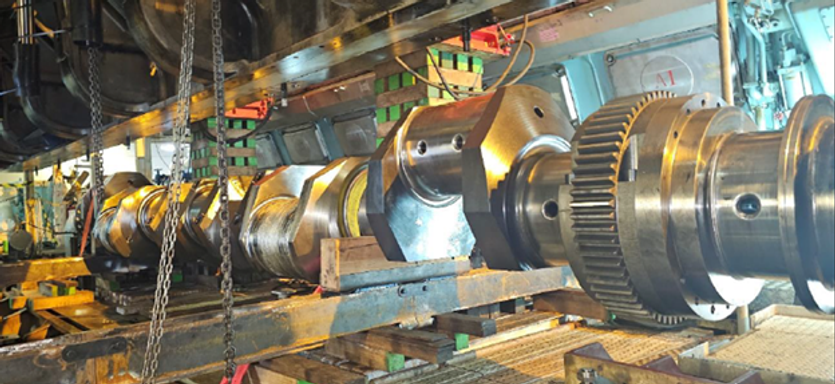
This Casualty Information newsletter is the start of our 2026 campaign assessing machinery damages affecting the crankshaft.
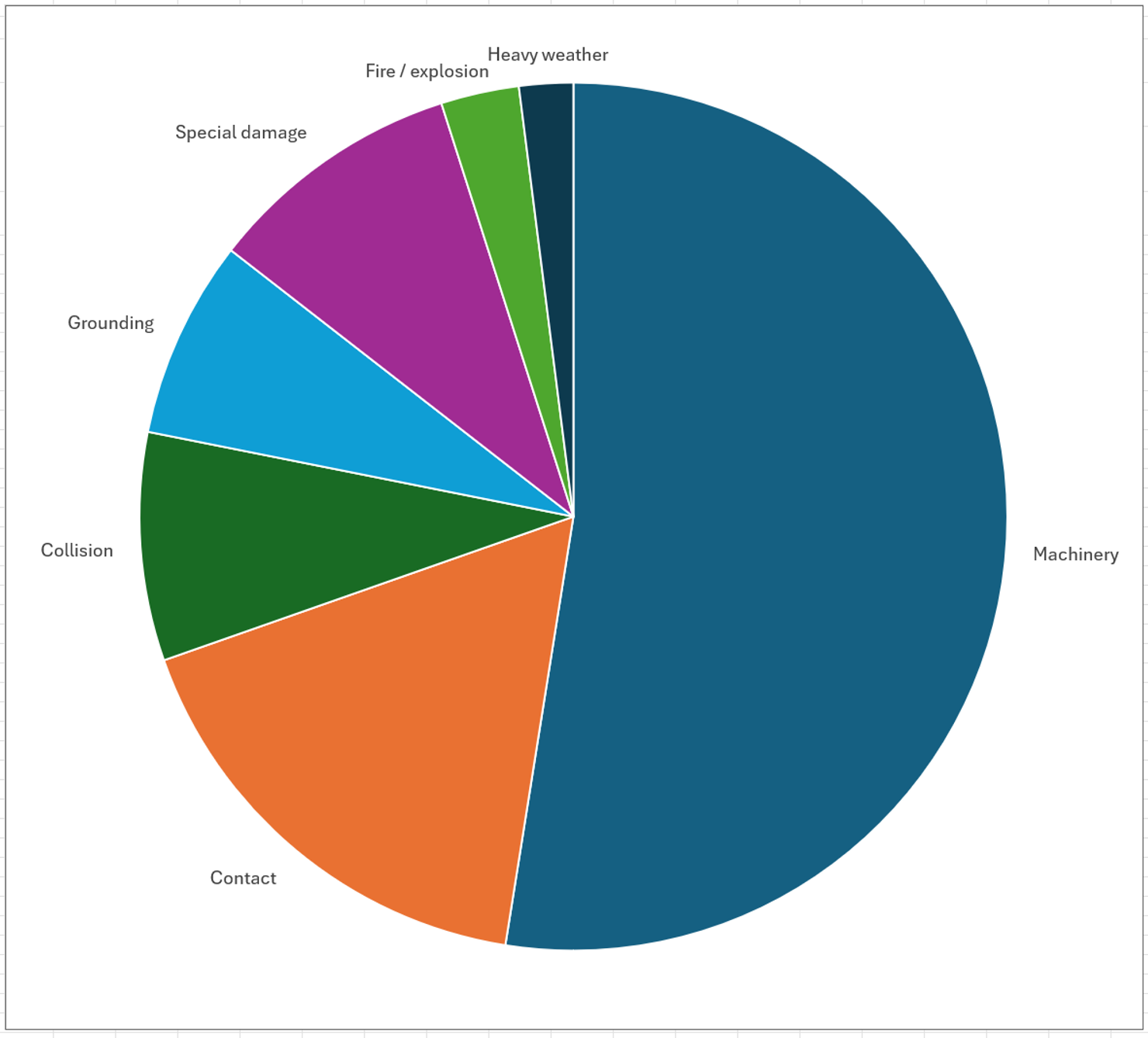
Looking at Norwegian Hull Club’s Hull & Machinery claims from the period 2016–2025, machinery damages account for 52% of all claims. Of these, 37% concern main engine and auxiliary engine damages.
A number of these cases include damage to major engine components such as crankshaft and engine block. However, such damage is most often a consequence of another, less significant failure.
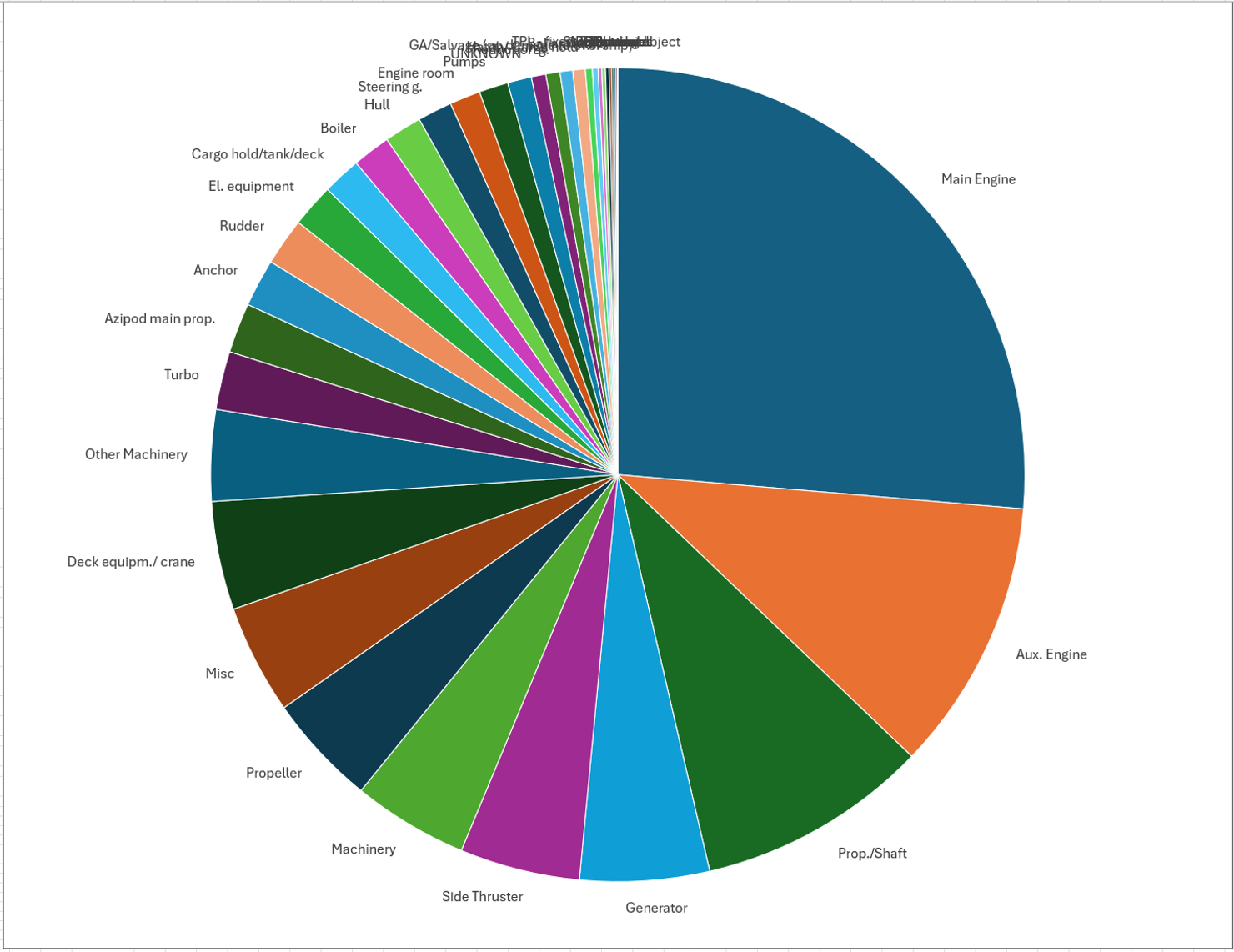
A closer review shows that, during the period 2021–2025, The Club has experienced more than 50 machinery claims involving main or auxiliary engines that resulted in crankshaft damage.
What we are seeing in practice
We already know that crankshaft failures occur more frequently in high-speed and medium-speed four-stroke engines than in low-speed two-stroke engines. However, when such failures occur in two-stroke engines, they tend to be considerably more costly and involve significant repair time.
In many crankshaft damage cases, we know that the direct cause is often failure of main or connecting rod bearings. We also know that such bearing failures are frequently related to lubricating oil condition or lubricating oil starvation. This may in turn be caused by insufficient lubricating oil pretreatment through purification and filtration, and by lack of awareness of, or follow-up on, findings in lubricating oil analysis reports. We further know that failures may also occur during maintenance, where lack of competence, insufficient attention or inadequate equipment can be contributing factors.
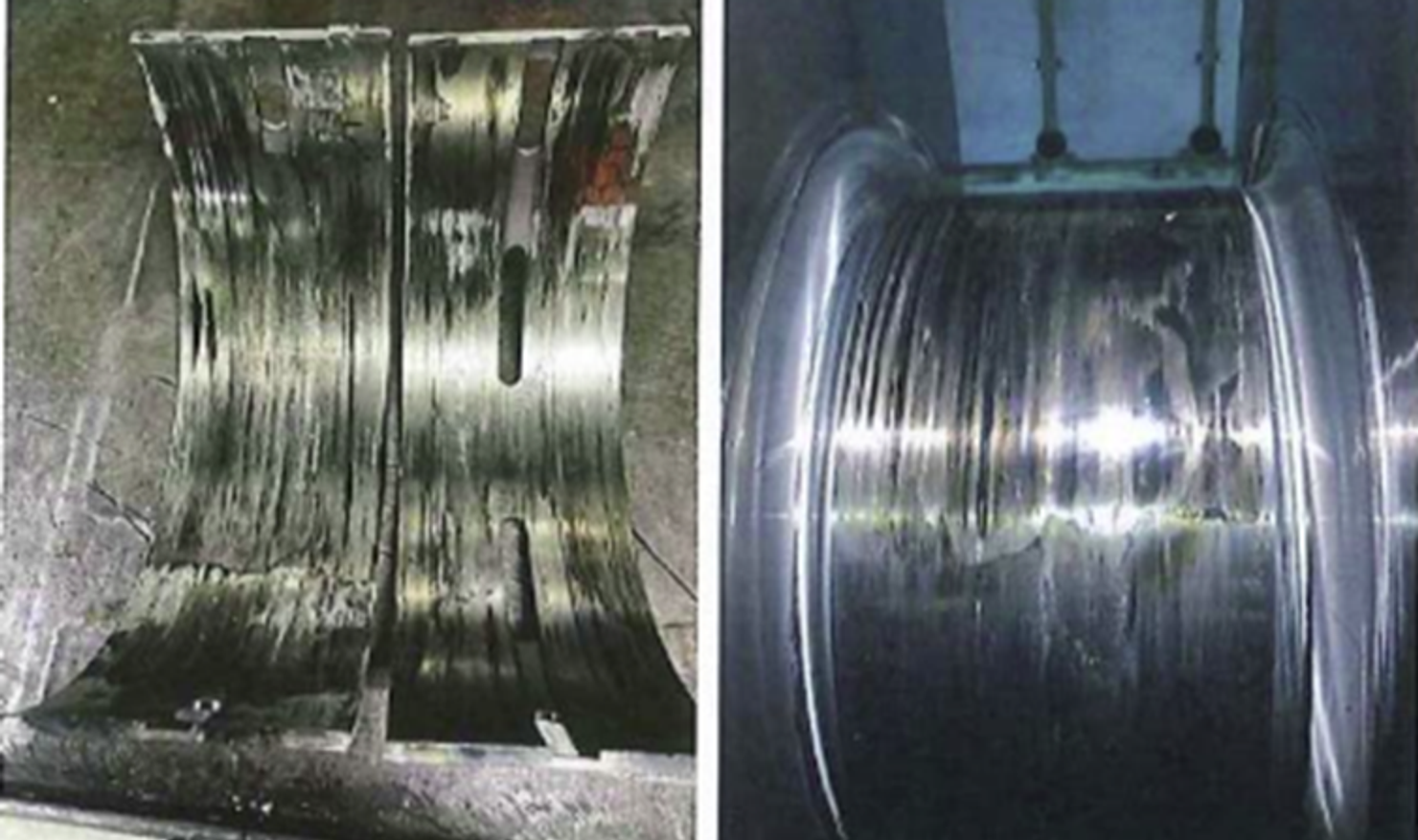
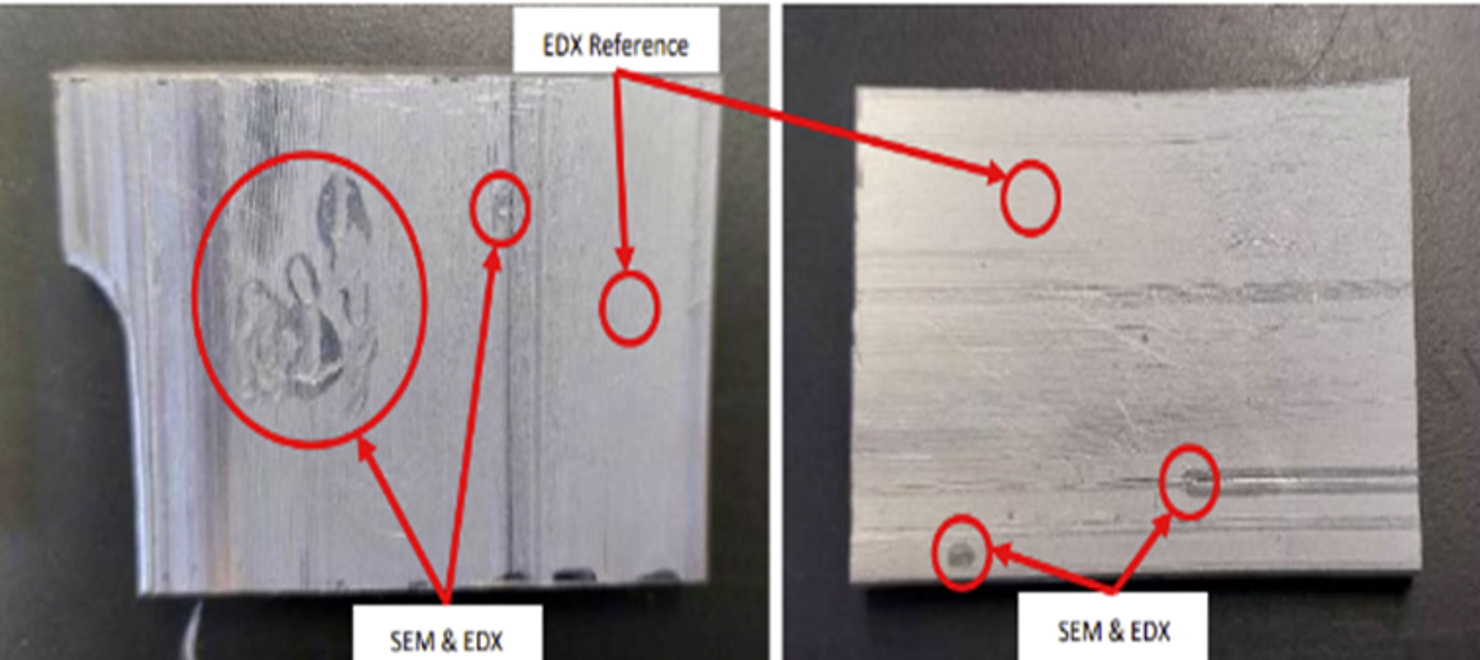
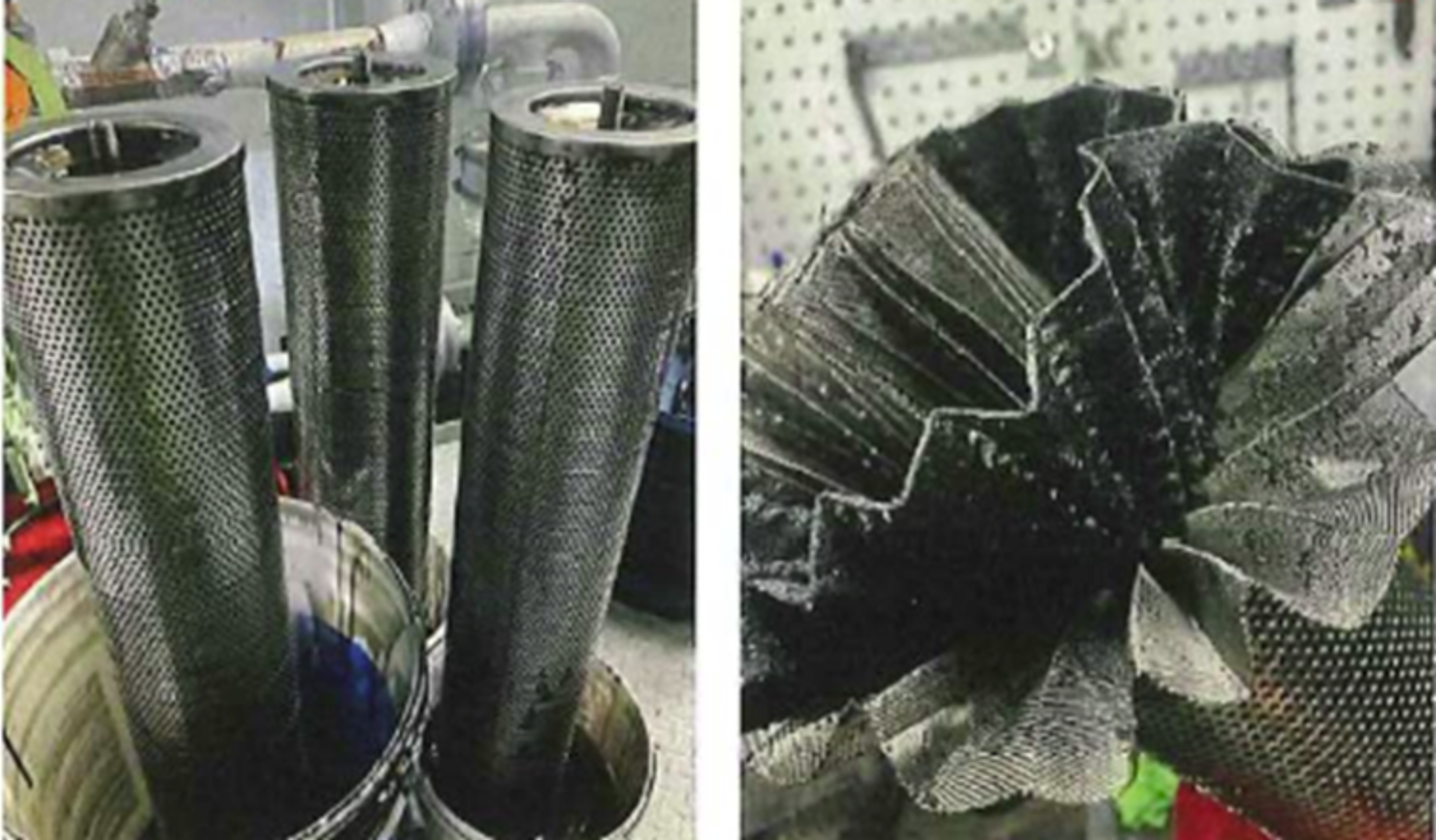
Findings from the root cause analysis showed that laboratory reports concluded with abrasive particles embedded in the bearing shell running faces. Further investigation revealed that a non-original or incorrect type of lubricating oil filter had been used.
Our 2026 focus
Despite experience from a substantial number of cases, there is still much to be learned. The aim of this campaign is therefore to study machinery-related occurrences over the last five years in further detail, establishing not only the immediate causes – which are often those identified and required to be identified in survey reports – but also the underlying root causes.
Through this work, Norwegian Hull Club aims to highlight and discuss our findings and to suggest preventive measures through further Casualty Information newsletters throughout 2026.
To succeed, support and co-operation from owners, managers and surveyors is essential. This includes the sharing of facts and findings, experience and insight through discussion, as well as a better understanding of the challenges faced on board. Access to relevant root cause analyses will be an important part of this work.
Recommendations
To limit the risk of severe engine damage, we recommend ensuring thorough evaluation of the condition and efficiency of your machinery systems, lubricating oil and fuel oil treatment plants, including filters.
Owners, managers and crew are encouraged to review and maintain sound operation and maintenance procedures and to ensure that all involved personnel are knowledgeable, trained and sufficiently prepared for maintenance and overhauls conducted on board. This also includes providing appropriate support to service engineers engaged in maintenance, overhauls and repairs on engines and engine systems on board your vessel.
Reference is made to previously issued Casualty Information newsletters, and ship managers, officers and crew are kindly encouraged to read and consider how these may be relevant for your engines and machinery systems:
Casualty Information No. 105 – April 2020: Damage involving 4-stroke engine main components
Casualty Information No. 115 – April 2022: Deck and Engine Machinery & Equipment
Get in touch – and share input
To enable this campaign to be as informative and effective as possible, Norwegian Hull Club encourages owners, ship managers, officers and crew to share their experience and knowledge. It is our promise to use this input, together with The Club’s accumulated claims experience, to gain insights aimed at reducing the number of such occurrences going forward.
The Norwegian Hull Club Technical Department welcomes open dialogue and discussion, and effective learning depends on input from owners, managers and officers.
Please do not hesitate to contact us at technical@norclub.com.
Meetings can be arranged via Teams, at your office – or, perhaps even better, on board your good vessel.
Norwegian Hull Club wishes you all fair winds and following seas.
KEYWORDS: machinery, crankshaft, lube oil, filters, separators, maintenance, competence